
Blogs
Where to Buy Alternators and Starter Motors Online in Canada

Nov
There’s nothing more frustrating than turning the key and all you get is a click or even worse, total silence. When your car won’t start, the first thing you usually think about is the battery. However, at times the real problem is the starter motor or the alternator. Before you order a replacement online, it’s helpful to understand what you’re facing and how to find the correct part the first time. For those looking to make a purchase, consider shopping for Alternators and Starter Motors Online.
Many Canadian drivers now buy auto parts online. It’s convenient since you can compare different options, check fitment from home, and avoid having to drive around looking for a part that might or might not be in stock. The drawback is that it’s easy to order the wrong alternator or starter if you’re not careful. Getting the wrong part leads to delays, extra shipping charges, and a longer period during which your vehicle is out of action. Make sure to consider Alternators and Starter Motors Online as your source for these critical components.
This guide will show you what you need to know before purchasing a starter or an alternator online in Canada. We’ll look at how these parts function, what to check regarding fitment, the difference between new and remanufactured units, and how to select a retailer you can trust.
Table of Contents
Why the Starter and Alternator Matter
These two components carry out different roles in your vehicle’s electrical system, but both can leave you stranded if they fail.
The starter motor
The starter motor’s job is straightforward: it turns the engine so that it can start. When you turn the key or press the start button, power from the battery goes to the starter, which then spins the engine until it can run on its own. Common signs of a faulty starter include a rapid clicking sound, no cranking at all, intermittent starting, or a grinding noise when you try to start the car. Remember that a weak battery or a poor connection can cause the same symptoms, so it’s always better to test than to guess.
The alternator
The alternator works while the engine is running. It produces electricity to power things like the headlights and the radio and keeps the battery charged. When an alternator begins to fail, you might notice the battery warning light on the dash, dim or flickering headlights, electrical accessories behaving abnormally, a battery that keeps dying, or a car that eventually won’t start at all. Once again, these problems can be similar to those caused by a faulty battery, so a proper diagnosis saves both time and money.
Shopping for Starters and Alternators Online in Canada
You have several good choices when searching for these parts online. The best option for you will depend on your vehicle, how quickly you need the part, and whether you’d like extra assistance to confirm fitment.
Online auto parts retailers make it easy to search by year, make, model, or part number. Most of them display the specifications, warranty information, and shipping options. When comparing sites, pay close attention to accurate fitment data, clear product descriptions, warranty terms, return policies, shipping costs, and whether real customer support is available if you have any questions. The lowest price isn’t always the best value if the part doesn’t fit or if the return process is difficult.
Specialist suppliers who focus on electrical components can be helpful if you drive an older vehicle, a less common model, or one that requires a harder-to-find unit. They often have in-depth knowledge of starters, alternators, and other related parts.
Denparts is a Canadian online retailer that sells starters, alternators, generators, and other electrical components for vehicles and equipment. They’ve been operating in eastern Canada for many years and provide detailed product information on their website.
If you’re looking for a replacement, you can go through their starter and alternator categories, check the specifications for each item, and make sure it’s compatible before ordering. Always check the shipping, warranty, and return details on the current product page.
Finding the Right Alternator
Not every alternator will fit every vehicle even if the vehicles look the same. Two cars with the same model name can require different units depending on the engine, the year, or how the electrical system was set up at the factory.
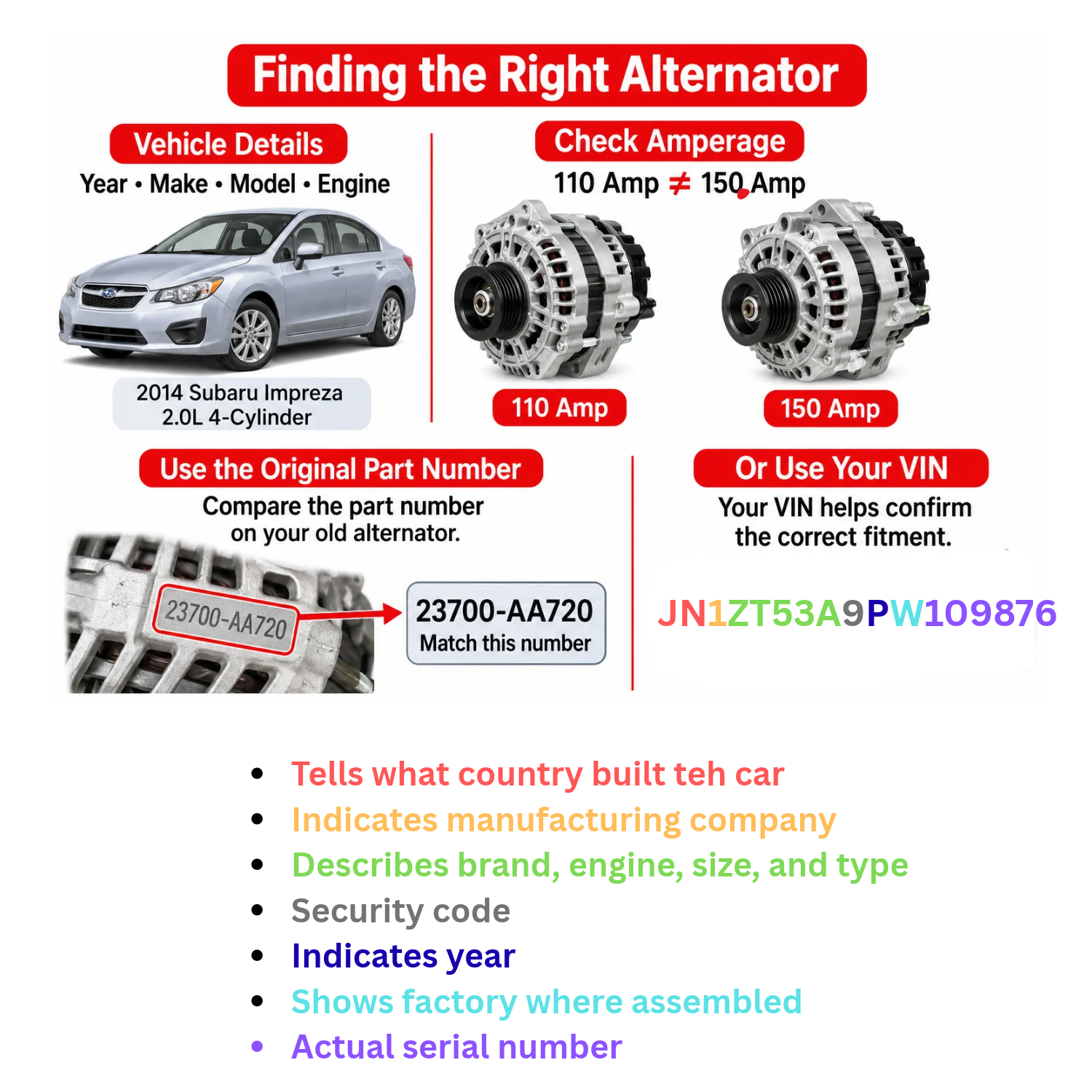
Begin with the basics: year, make, model, and engine. For instance, a 2014 Subaru Impreza with the 2.0-litre four-cylinder is different from one with a different engine option. The engine size and configuration matter more than most people realize. Never assume that an alternator which fits one engine will also fit another just because the vehicle name is the same.
Amperage is another important factor. A 110-amp unit and a 150-amp unit may appear almost identical, but they’re not interchangeable. Check the output rating your vehicle requires and verify it against the manufacturer’s fitment information.
The original part number is often the most dependable way to match a replacement. If you can read the number on your old alternator, compare it directly. Your VIN can also help a knowledgeable supplier confirm the correct application. A verified cross-reference reduces the chance of ordering the wrong part. Look for a label or stamped number on the housing, often on the back or side
Finding the Right Starter Motor
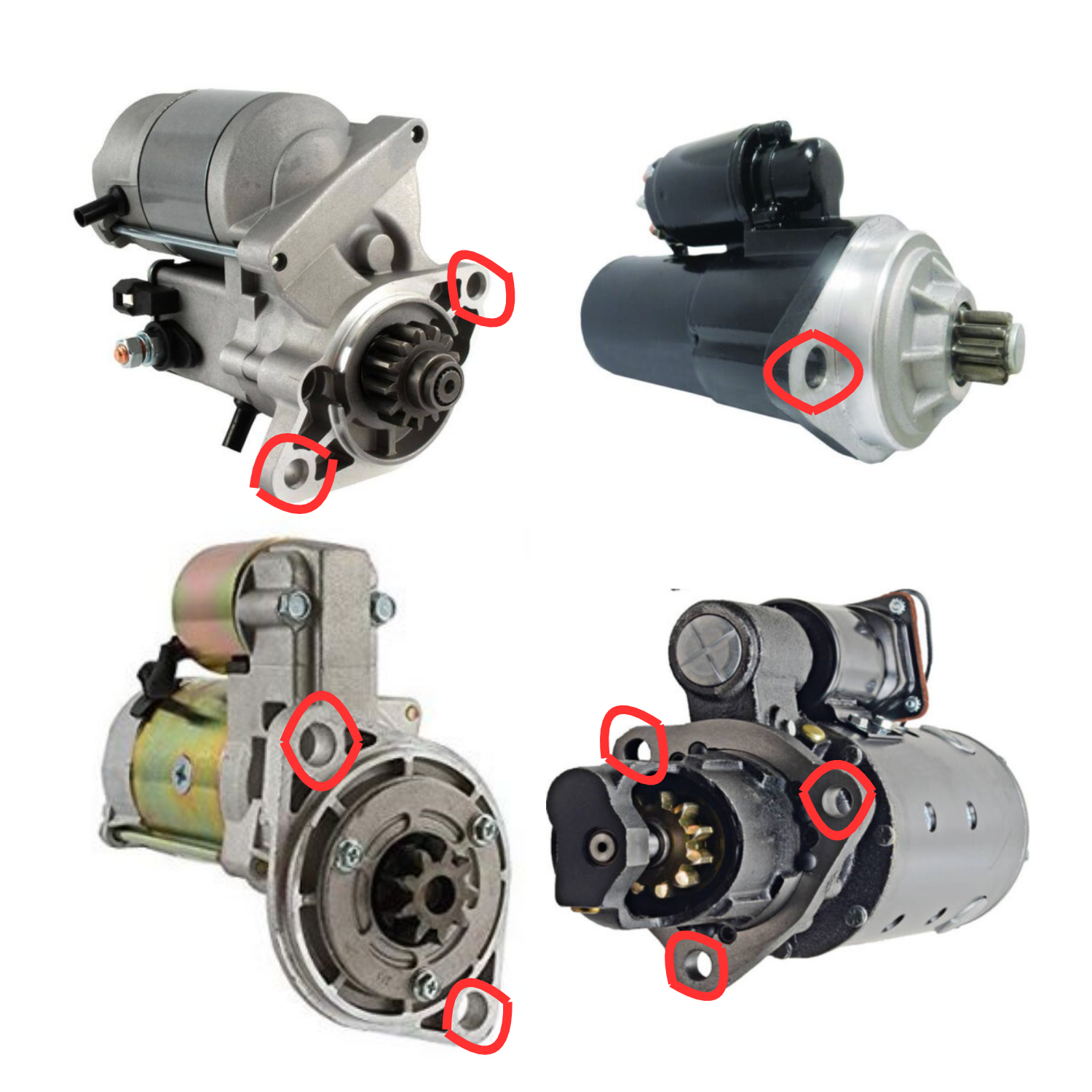
Check the main body of the motor or the solenoid. Starter motors work on the same principle. Start with the year, make, model, and engine size. Beyond that, check the original part number, how the unit mounts, the electrical connections, and any specific fitment notes from the manufacturer.
Some vehicles use different starters depending on the transmission or engine setup. If you’re unsure, ask the seller to verify the application before you place your order. A short conversation can prevent a costly error.
New vs. Remanufactured Parts
You’ll usually find both new and remanufactured options available online. Understanding the difference helps you decide what’s appropriate for your situation and budget.
New units
A new unit is built from scratch as a completely new part. Check the manufacturer, specifications, and warranty details on the listing so you know exactly what you’re getting.
Remanufactured units
A remanufactured unit starts with a used core. The old part is taken apart, the worn components are replaced, and the unit is then tested. The quality varies from brand to brand and from process to process, so don’t treat all remanufactured parts the same. Look at the specific warranty and find out what the manufacturer says about their rebuild standards.
What to Check Before You Click “Buy”
A few simple checks can help avoid problems later on.
- Make sure the part is listed for your exact vehicle application. If the listing is unclear, contact the seller and ask. It’s better to sort things out now than to face a return later.
- Read the warranty carefully. Note what it covers and what it doesn’t many warranties do not include labour or installation costs. Find out who handles claims and whether you have to return the old part first.
- Look at the return policy before you order. Some retailers don’t allow returns on electrical parts that have been installed or show signs of use. Make sure you understand the rules in advance.
- Check the shipping costs and delivery times. Starters and alternators are heavier than most other parts, so shipping can become expensive depending on where you live and how quickly you need the part.
Final Thoughts
Ordering a starter or alternator online in Canada need not be difficult if you take a few extra minutes to check the details. As far as fitting is concerned, it is more important than going for the lowest price. Matching the vehicle’s year, make, model, engine, and part number and also knowing about the warranty and return policy helps a great deal in ensuring a smooth repair.
Denparts.ca is a Canadian online retailer offering starters, alternators, generators, and other electrical components for vehicles and equipment. You can browse by category, review the specifications on each listing, and confirm compatibility before ordering.
As always, check the warranty, shipping, and return details on the current product page. Refer to the product information to verify compatibility and contact their team if you need assistance in deciding which unit to choose. Getting the correct part the first time makes the entire process simpler and gets you back on the road more quickly.
FAQ’s Questions
Do alternators fail suddenly or slowly?
Like most vehicle parts, an alternator can fail either suddenly or gradually over time. Both types of failure can cause various electrical problems in your car.
Which brand of alternator is best?
Some of the most reliable aftermarket alternator brands include Quality-Built, ACDelco, WAI, A-Premium, Bosch, and Denso. When choosing an alternator, it’s more important to focus on the right application and fitment, correct amperage for your vehicle’s electrical load, whether you prefer a new or remanufactured unit, the warranty and after-sales support, and the overall cost of ownership rather than the brand name alone.
What to look for when buying an alternator?
Electrical load – The higher the electrical demand in your vehicle, the harder the alternator has to work to supply enough current.
Belt tension – Since the alternator is driven by the engine’s accessory belt, proper belt tension is essential for reliable operation.
Temperature – Extreme heat can reduce an alternator’s efficiency and lifespan.
Age and wear – Older units naturally lose performance over time due to internal wear.
Is a remanufactured alternator a good option?
It can be done as long as it has been properly rebuilt and tested. Before making your decision, check the manufacturer’s process, the product specifications, and the warranty offered.
It isn’t always the case that the problem lies there; a weak battery, a bad connection, or some other fault in the starting or charging system could produce the same symptoms. You should have a proper diagnosis carried out first.
May I return an alternator or starter if it doesn’t fit?
This will depend on the retailer’s policy since many do not allow returns after a component has been fitted or altered. It is important always to check that the product is compatible and to read the return conditions before fitting it.
Related Posts


